More Joy Ministries
Full Bible Study
STRANGE FLESH, MISCEGENATION & THE NEPHILIM:
(WHY JUDE LOOKED BACK TO GENESIS)
One of the most misunderstood phrases in the New Testament appears in Jude 1:7. Jude warns about the pursuit of “strange flesh,” and he does so while directly referencing angels who left their proper habitation. That connection is deliberate, and it points the reader backward to Genesis, not forward to speculation.
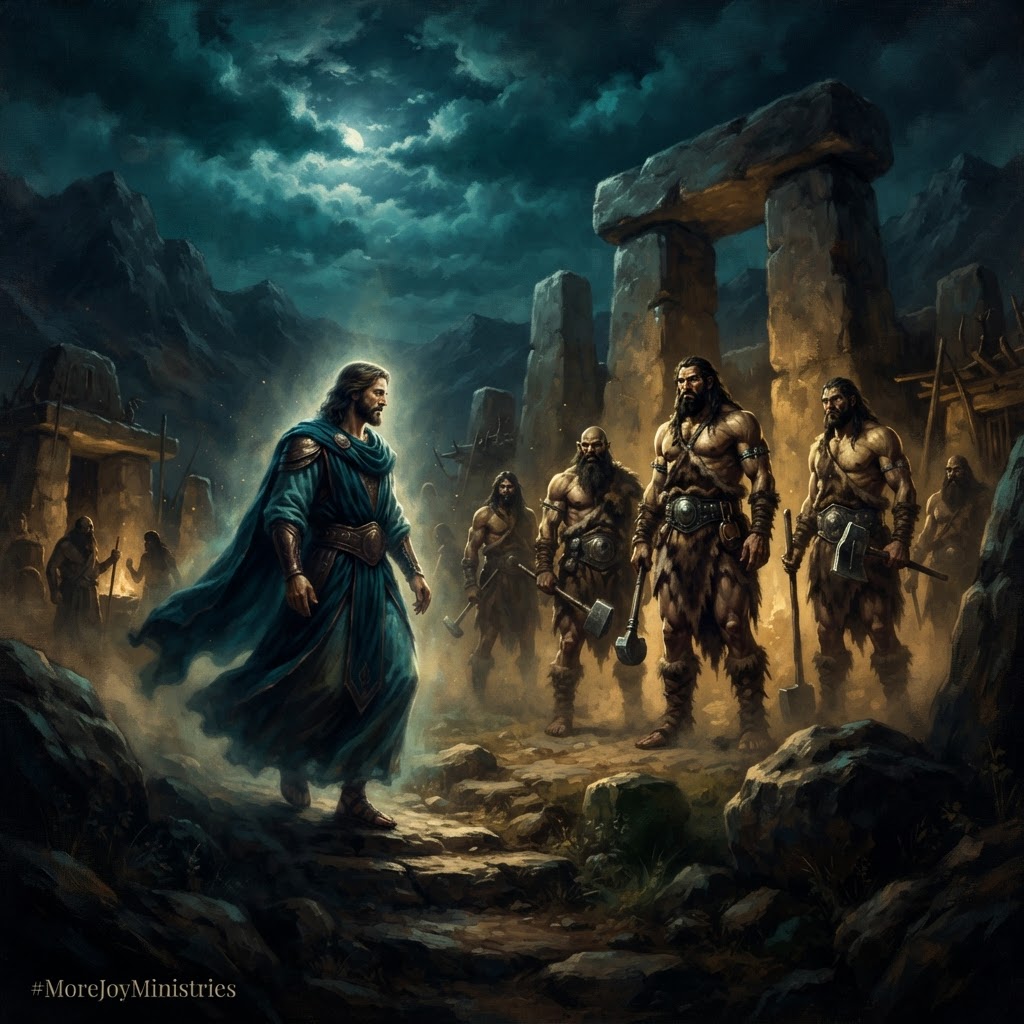
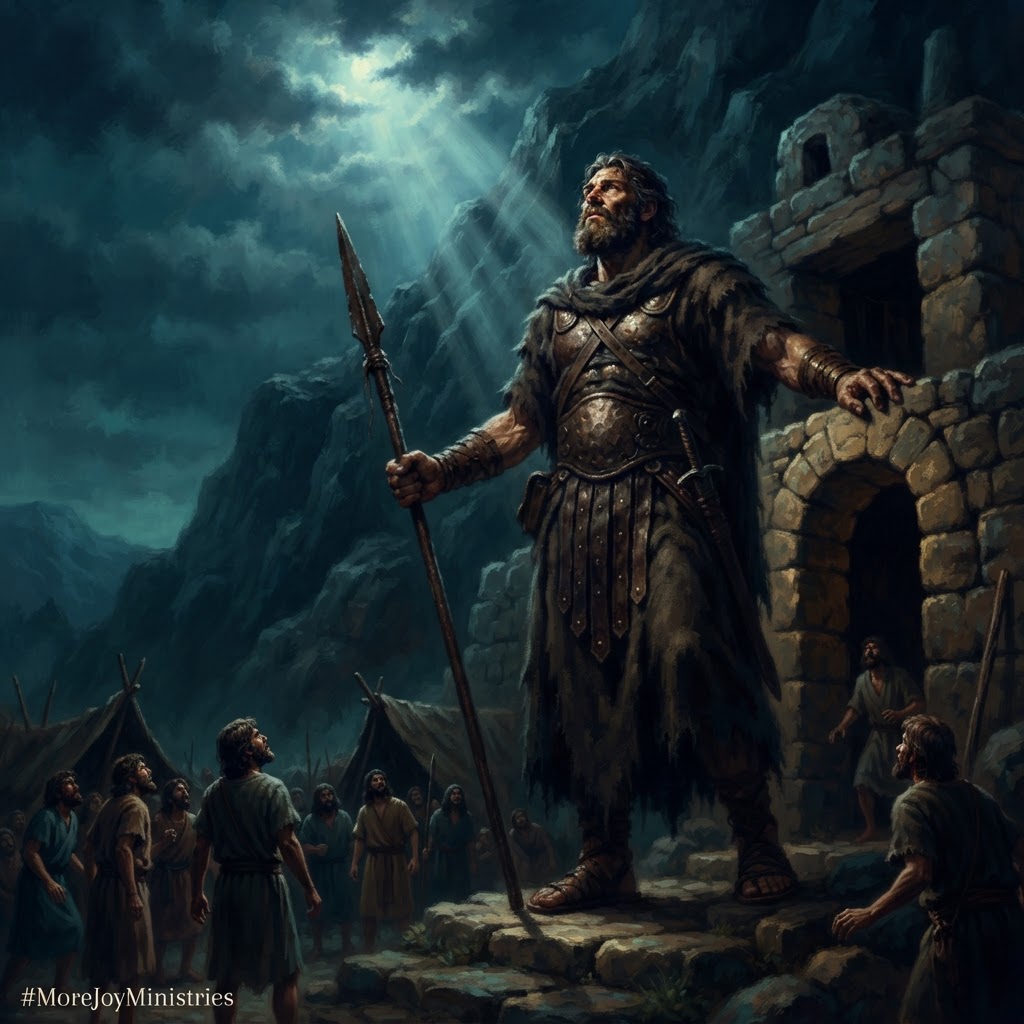
In Genesis 6:1–4, Scripture records a violation of created order. The “sons of God” took the “daughters of men,” and their union produced offspring known as the Nephilim, described as mighty men and men of renown. The text does not present this as normal human intermarriage or cultural blending. It presents it as something unnatural, something disruptive, something that altered the course of humanity itself.
This is why Genesis 6:12 does not merely say that people became violent or immoral. It says that all flesh had corrupted his way upon the earth. The language is specific. The issue was not just behavior. It was corruption at the level of flesh. God’s design was being tampered with, and the integrity of humanity was being threatened.
The Flood, then, was not an overreaction to sin. It was a surgical act of judgment to preserve the future of redemption. Noah is described as perfect in his generations, a phrase that points not to moral perfection but to lineage that had not been corrupted. God preserved one family so that His promise would continue unbroken.
Jude later confirms that the angels involved in this rebellion are not roaming freely. They are kept in everlasting chains under darkness, awaiting judgment. Their sin was not simply rebellion or pride. It was the abandonment of their God-assigned order and the pursuit of what was not theirs. Jude explicitly parallels this sin with Sodom’s pursuit of strange flesh, showing that both represent violations of divine boundaries.
When Jesus warned that the last days would resemble the days of Noah, He was not merely referring to violence, corruption, or unbelief. Those things have existed in every generation. His warning points to something more fundamental: the breakdown of God’s created order, the blurring of boundaries He established, and the rejection of limits He declared good.
Scripture consistently teaches that God is a God of order. He separates heaven from earth, light from darkness, kinds from kinds. When those distinctions are deliberately crossed, judgment follows. Genesis 6 stands as a warning that some lines are not meant to be crossed, no matter how advanced, curious, or powerful humanity becomes.
This account is not mythological language borrowed from pagan cultures. It is not symbolic storytelling meant to be dismissed. It is recorded Scripture, affirmed by later Scripture, and referenced by Jesus Himself.
The Bible treats the Nephilim narrative seriously. So should we.
Read Genesis 6 slowly.
Read Jude carefully.
Let Scripture interpret Scripture.
- More Joy Ministries - Tony Campbell
#Nephilim
#StrangeFlesh
#Genesis6
#DaysOfNoah
#BiblicalTruth
#EndTimes
#MoreJoyMinistries