
More Joy Ministries
Full Bible Study
BIBLICAL HERMENEUTICS?
Biblical hermeneutics is the method of interpreting the Bible correctly.
That may sound like a big theological word, but the meaning is simple. If God gave us His Word, then that Word has an intended meaning. Hermeneutics is the discipline of handling the text honestly, carefully, and faithfully instead of twisting it to fit our emotions, traditions, or assumptions.
Second Timothy 2:15 says, “Study to shew thyself approved unto God… rightly dividing the word of truth.” That means there is a right way to handle Scripture. And if there is a right way, then there is also a wrong way.
That is why hermeneutics matters.
A lot of false teaching is not built on open hatred for the Bible. It is built on careless reading of the Bible. People rip verses out of context, force symbolism into plain statements, ignore grammar, overlook historical setting, and then act like the Holy Spirit told them something that the text itself never said.
That is not interpretation. That is abuse.
The first major rule of biblical hermeneutics is this: interpret the Bible literally, meaning according to its normal sense, unless the text clearly indicates symbolism, poetry, parable, or figurative language.
In plain terms, the Bible says what it means and means what it says.
When Jesus fed the five thousand, He actually fed five thousand. That was not a symbolic number for spiritual fullness. That was a real crowd, real bread, real fish, and a real miracle performed by the Son of God. Once people start “spiritualizing” plain passages, they can make the Bible say almost anything they want.
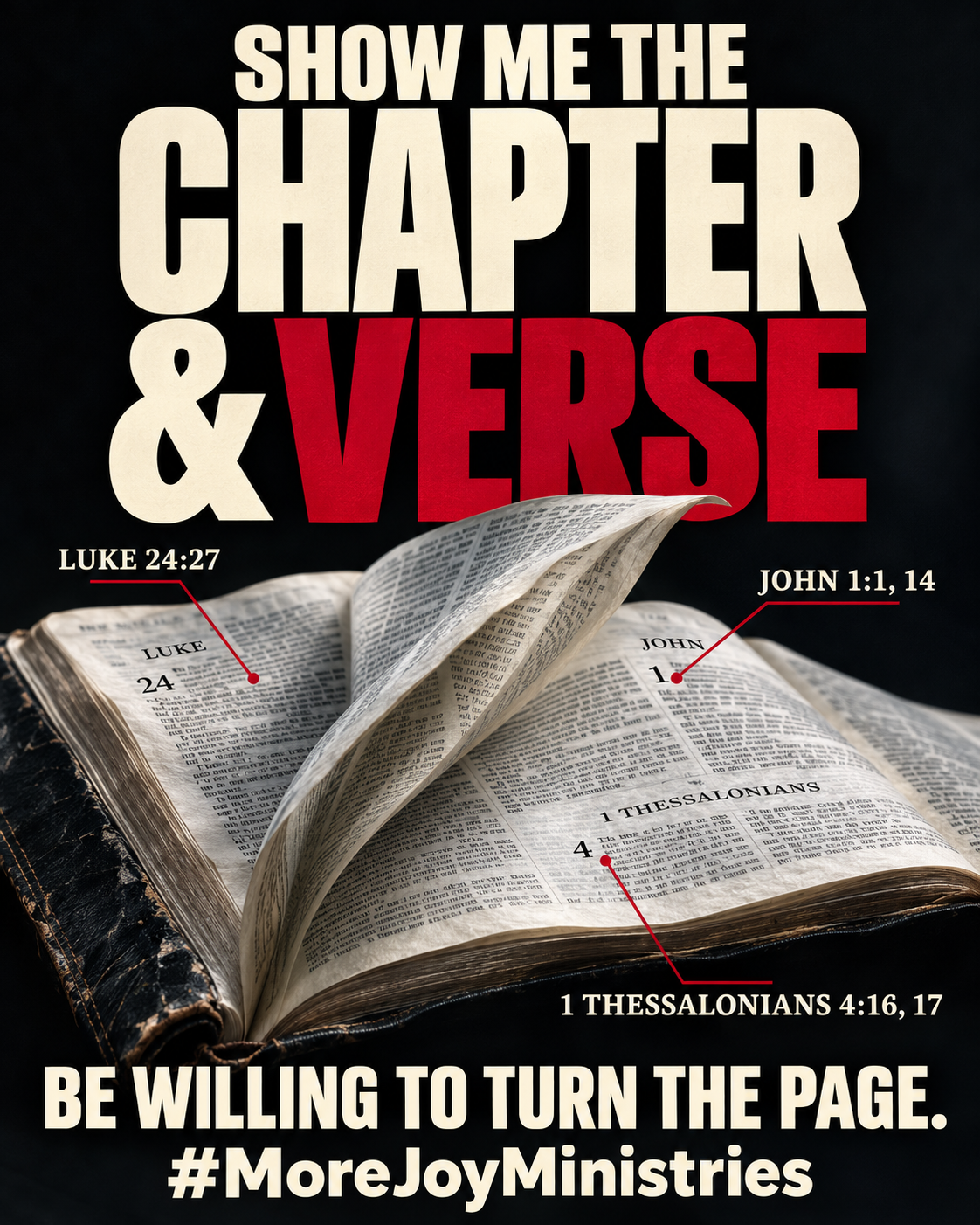
The second major principle is that Scripture must be interpreted historically, grammatically, and contextually.
Historically means we need to understand the setting behind the text. Who was writing? Who were they writing to? What was happening in that place and time?
Grammatically means words matter. Verb tenses matter. Sentence structure matters. In many cases, Hebrew and Greek details matter too. God did not inspire vague fog. He inspired actual words.
Contextually means no verse should be isolated from the verses around it, the chapter it sits in, the book it belongs to, and the rest of the Bible. Context guards interpretation. A verse ripped from context can be turned into a weapon of error in the hands of somebody careless or arrogant.
Another crucial rule is that Scripture interprets Scripture.
The Bible is its own best commentary.
If one passage is difficult, you compare it with clearer passages on the same subject. God does not contradict Himself. The problem is not with Scripture. The problem is usually with our reading of it.
This principle helps keep people from inventing doctrines out of isolated verses.
Some people act like studying hermeneutics somehow kills the Spirit of God. That is nonsense. The Holy Spirit is the Author of Scripture. He is not leading people to ignore context, destroy grammar, or force private meanings into the text. The Spirit illuminates what He inspired. He does not cancel the need for study. He helps believers understand the truth of the text, not escape it.
Biblical hermeneutics is not about making the Bible cold or academic. It is about protecting the meaning God put there. It is about honoring His Word enough to ask, “What did God actually say?” before we jump to “What do I feel?”
If God’s Word is truth, then we should want the truth of the text, not a made-up version of it.
Not what sounds deep. Not what sounds creative. Not what fits our bias. What did God mean?
That is biblical hermeneutics.
#MoreJoyMinistries