More Joy Ministries
Full Bible Study
GOG:
(MORE THAN A NAME, A PATTERN OF FINAL REBELLION)
Most people only think about Gog when they get to Ezekiel 38 and 39. That is where the name becomes impossible to ignore. But there is an older and very interesting thread that shows up in the Septuagint, and it matters. In Amos 7:1, the Greek Old Testament does something the Hebrew text does not do. It connects the locust vision with Gog. Brenton’s Septuagint renders Amos 7:1 with the line, “behold, one caterpillar, king Gog,” while standard translations of the Hebrew text read the verse as a locust scene tied to latter growth after the king’s mowings. That means the Greek tradition is not just describing crop destruction. It is loading the image with a ruler figure tied to devouring judgment.
That is not a small detail.
It means that in the Septuagint tradition, Gog is not only a military invader in Ezekiel. He is also associated with a devouring plague like force, a consuming enemy, a destroyer who comes over the land the way locusts do. That does not erase Ezekiel’s prophecy. It deepens the profile. Gog becomes a name connected to hostile invasion, consumption, judgment, and terror. Even Septuagint scholarship notes that Gog appears more broadly in the Greek tradition than in the Masoretic Hebrew text, including Amos 7:1, where the locust leader is rendered as Gog the king.
Then you come to Ezekiel 38 and the picture sharpens.
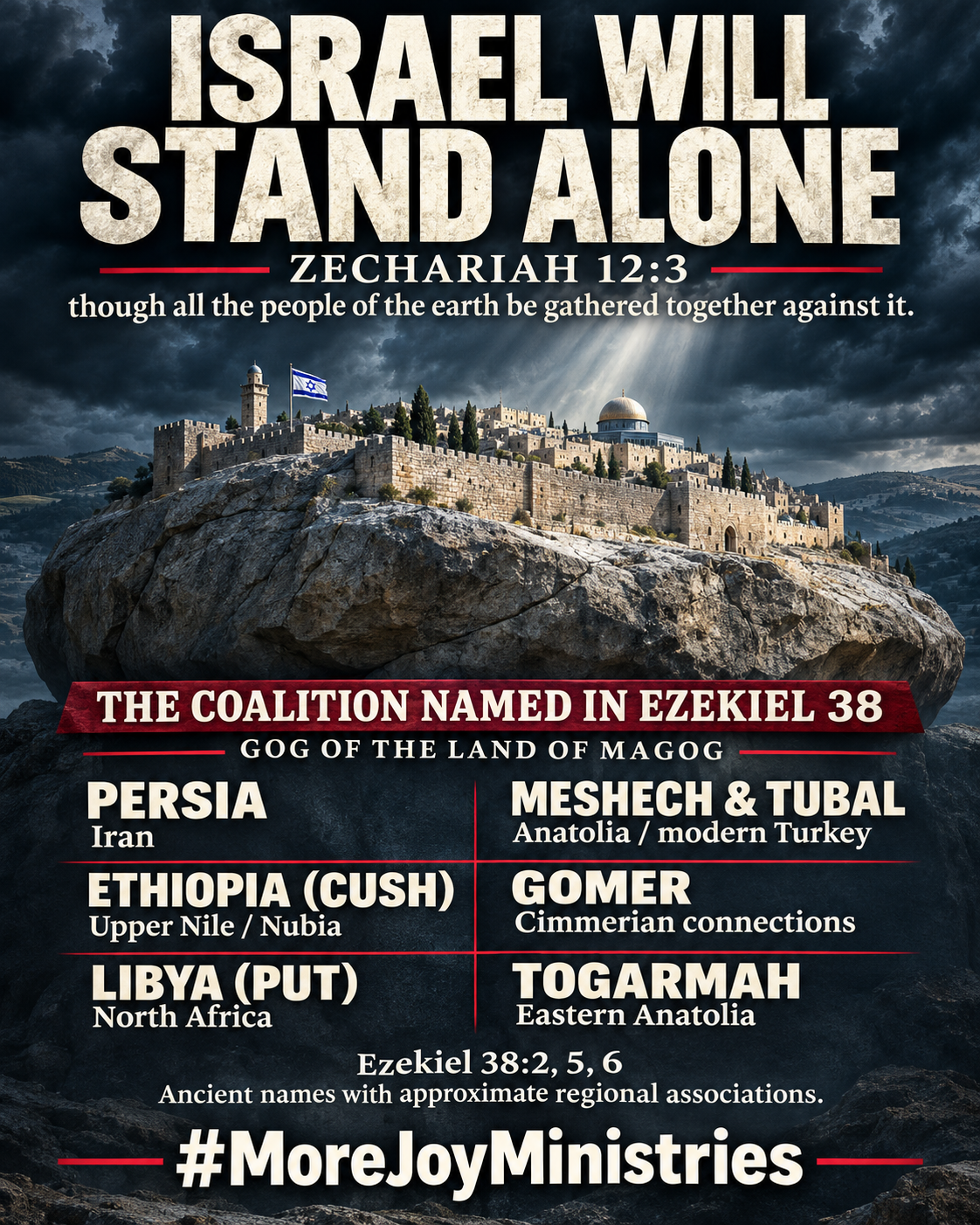
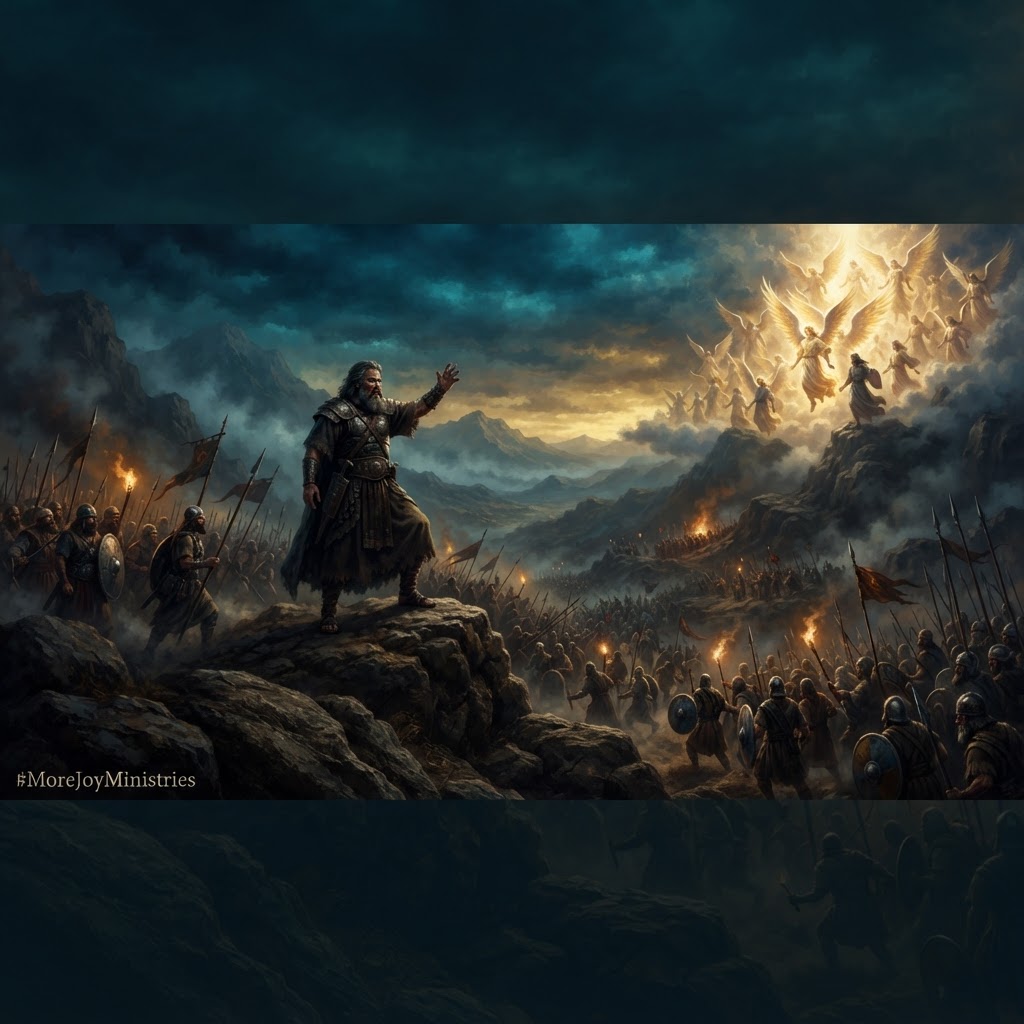
The Lord tells Ezekiel, “set your face against Gog, of the land of Magog,” and prophesy against him. Gog is presented as the leader of a massive northern confederation that comes against Israel in the latter years. He is not described as a minor nuisance. He is the head of a coordinated rebellion. He comes with many peoples, with a great company, with military force, and with the intention to invade a people dwelling securely. The text presents him as an end time aggressor whom God Himself will drag into judgment.
So what is Gog?
Gog appears to function on more than one level in Scripture. In Ezekiel 38 and 39, he is a real end time enemy leader over a coalition that comes against Israel. In Revelation 20, “Gog and Magog” are used again, but there the phrase reaches beyond one regional invasion and becomes the label for a final worldwide rebellion at the end of the thousand years. John uses the name as eschatological shorthand for the nations gathered in satanic revolt against God’s people. So Gog is not less than a person, but he is also more than a single historical label. He becomes a biblical banner for the final enemy surge against the Lord and His covenant purposes.
That is why Amos 7:1 in the Septuagint is so fascinating.
The image there is agricultural judgment. A devouring force sweeps in like locusts. And the Greek text says, in effect, there is a king over that swarm, and his name is Gog. In other words, Gog is linked to consumption before he is linked to the great battle scene of Ezekiel. He is a devourer before he is seen as a commander. He represents invasion before he is fully unveiled in war. He is a picture of hostile rule that strips, consumes, and ravages.
And that fits Ezekiel perfectly.
Ezekiel 38 shows Gog coming not for peace but for spoil. He comes with an evil thought. He looks at a regathered people and sees an opportunity. He wants plunder. He wants conquest. He wants to overrun what belongs to God. But the whole chapter turns on one glorious truth: Gog is not ultimately in control of the battlefield. God is. The Lord says He will put hooks in Gog’s jaws and bring him out. That means even the rebellion of Gog is under divine sovereignty. Gog plans evil. God uses even that evil to magnify His own holiness before the nations.
That is a major point people miss.
Gog is terrifying, but he is never sovereign.
He is fierce, but he is on a leash.
He gathers armies, but he cannot gather one soldier apart from the overruling hand of God.
Ezekiel 38 and 39 are not ultimately about how scary Gog is. They are about how absolute the Lord is. God says He will be sanctified in Gog. He will make His name known in the sight of many nations. The invasion becomes the stage for divine self disclosure. The enemy comes up like a storm, but the storm runs straight into the wrath of Almighty God.
There is another layer worth seeing.
Some interpreters notice that the Septuagint also has a textual tradition in Numbers 24:7 where “Agag” is reflected as “Gog” in some witnesses and discussions. That matters because it shows the name Gog was already moving in ancient textual history as a symbol of hostile rulership and exalted opposition. So by the time you reach Ezekiel, Gog does not feel like a random name dropped from nowhere. It lands with weight. There is already a shadow around it.
Biblically then, Gog points us to at least three truths.
First, Gog is a real enemy of God’s people in prophecy, not just a vague metaphor. Ezekiel presents him as the leader of a latter day confederacy against Israel.
Second, Gog is also a pattern. He represents the recurring satanic impulse to devour, invade, and exalt itself against what God has chosen. Amos 7:1 in the Septuagint pushes that pattern backward into the imagery of locust judgment and consuming devastation.
Third, Gog is finally swallowed up in a larger end time theology of rebellion. Revelation 20 shows “Gog and Magog” as the gathered nations in one last revolt after the Millennium, proving that even after a thousand years of Christ’s reign, unredeemed humanity still rebels when given the chance.
Gog is a warning.
He is what hostile power looks like when it gathers itself against God.
He is what devouring rebellion looks like when it matures.
He is what arrogant opposition looks like when it reaches for covenant land, covenant people, and covenant purpose.
And he is also proof that every enemy of God has an appointed end.
The Lord does not negotiate with Gog. He destroys him.
The Lord does not panic at Gog. He summons him.
The Lord does not lose to Gog. He uses Gog to reveal His glory.
That is why Amos 7:1 in the Septuagint is worth paying attention to. It gives us an early prophetic whisper of the same dark pattern that later roars in Ezekiel and then echoes again in Revelation. The enemy devours. The enemy gathers. The enemy rises. But the Lord still reigns.
Amos 7:1 in the Septuagint opens a window. Ezekiel 38 opens the door. Revelation 20 shows the end of the whole rebellion.
And through all of it, one truth stands.
Gog may rise, but Gog will fall.
#MoreJoyMinistries